5 Common Mistakes Moroccan Businesses Make When Importing Goods
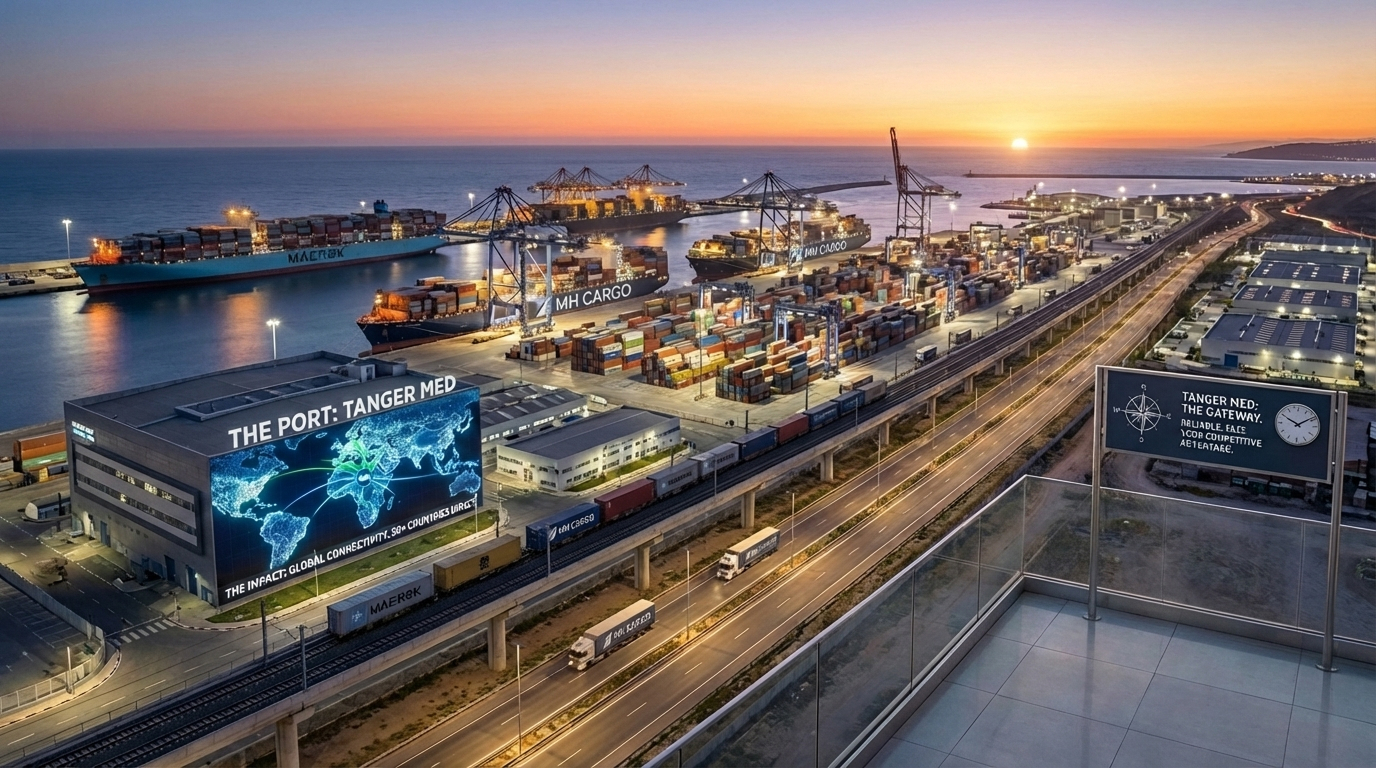
International trade opens enormous opportunities for Moroccan businesses — but it also comes with pitfalls that can cost you time, money, and clients.
International trade opens enormous opportunities for Moroccan businesses — but it also comes with pitfalls that can cost you time, money, and clients. Whether you're importing for the first time or looking to optimize your supply chain, avoiding these 5 mistakes can make a significant difference.
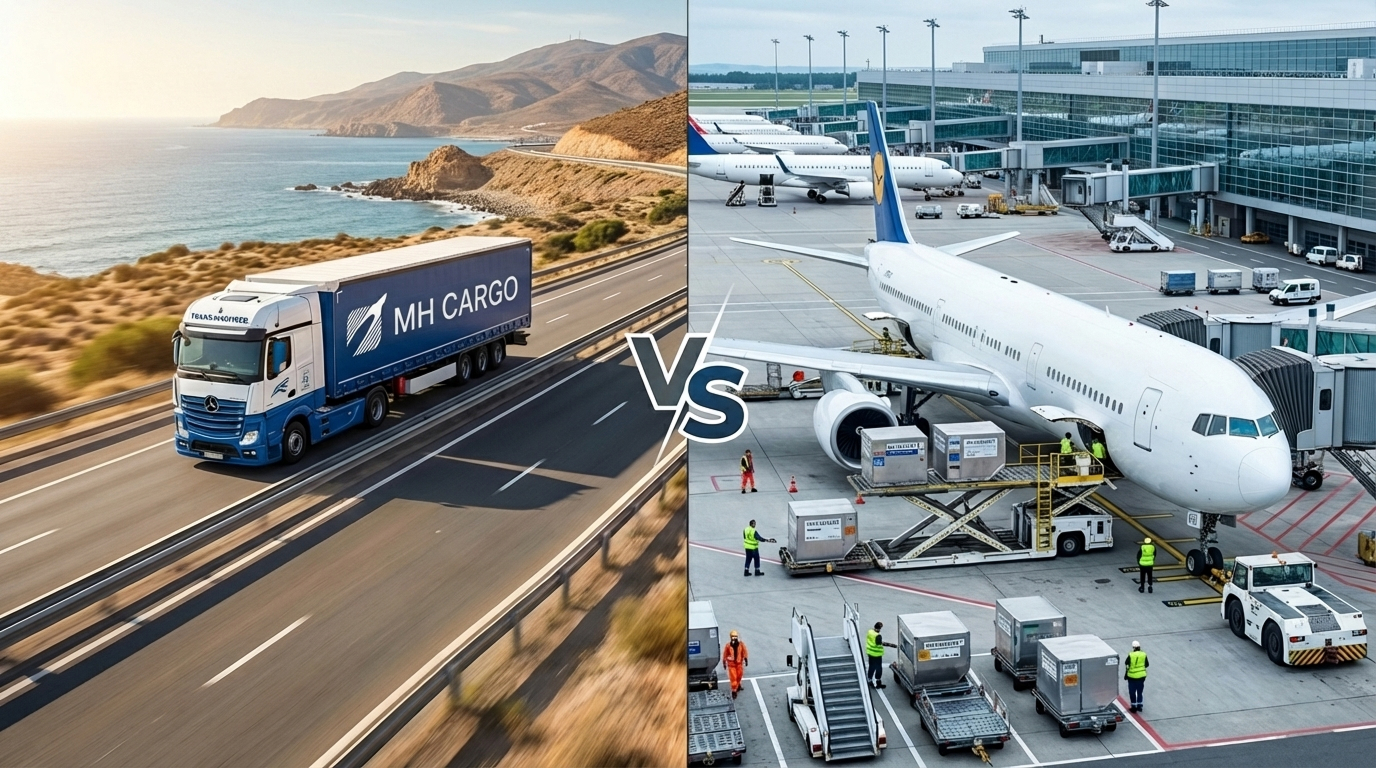
Mistake 1 — Choosing the Wrong Shipping Mode Many businesses default to air freight because it feels "safer" — without realizing they're paying 4 to 6 times more than necessary. Before booking, always evaluate your timeline. If your deadline allows 2–3 weeks, sea freight will save you significantly. If your goods are urgent or high-value, air freight is justified. The key is making an informed decision, not a reactive one.
Mistake 2 — Ignoring Incoterms Incoterms define who is responsible for the goods at each stage of the journey. Many importers sign contracts without fully understanding whether they're responsible from the factory door (EXW), the port of origin (FOB), or only upon arrival (CIF). This leads to unexpected costs and disputes. Always clarify Incoterms before confirming any purchase order.
Mistake 3 — Underestimating Customs Costs The freight cost is only part of the equation. Moroccan customs duties, VAT, and port handling fees can add 20–40% to your total landed cost depending on the product category. Not accounting for these upfront leads to budget overruns and cash flow problems.
Mistake 4 — Working Without a Dedicated Freight Partner Trying to manage international logistics alone — or switching freight providers with every shipment — creates inconsistency, communication gaps, and higher costs. A dedicated freight partner knows your business, anticipates your needs, and negotiates better rates on your behalf through volume and relationships.
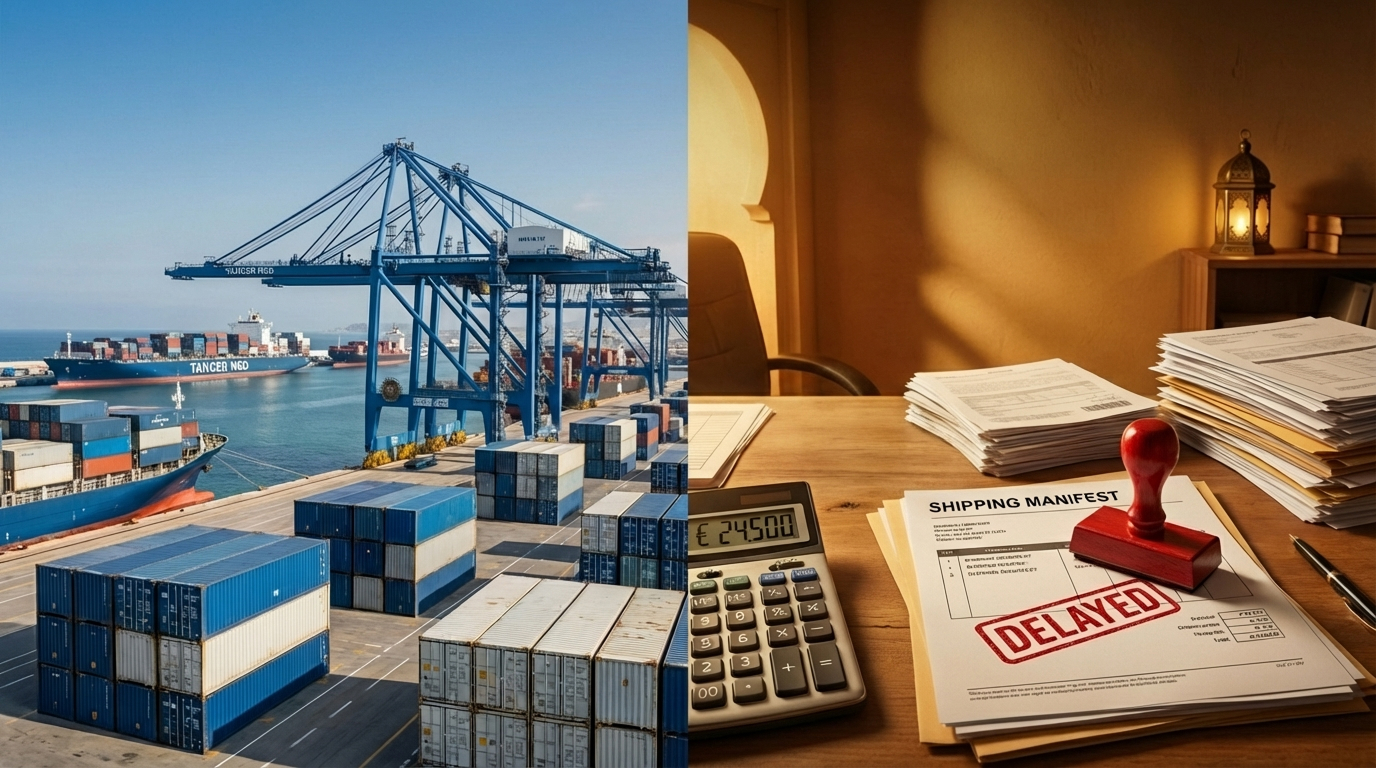
Mistake 5 — Poor Shipment Documentation Missing or incorrect documents are the number one cause of customs delays in Morocco. A wrong HS code, an incomplete packing list, or a missing certificate of origin can hold your cargo at the port for days — or weeks. Always double-check your documentation before your shipment departs.
Conclusion: International trade doesn't have to be stressful. With the right knowledge and the right partner, you can avoid these common pitfalls and build a supply chain that works reliably for your business. At MH Cargo, we guide our clients through every step — from choosing the right shipping mode to clearing customs smoothly.